FlightWing-borne efficiency


Aerial systems for real-world work
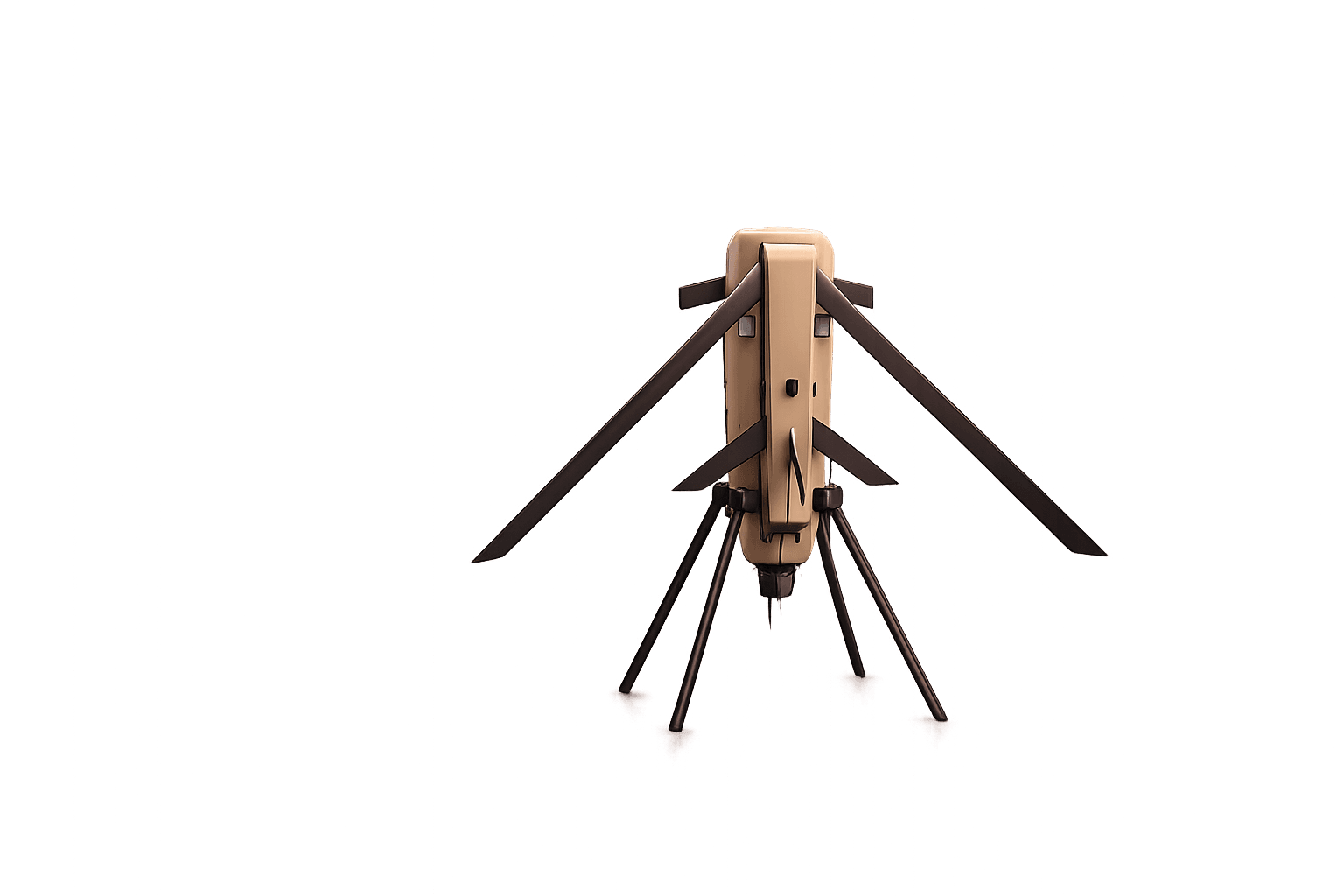
CA-1 is a modular thrust-vectoring VTOL platform combining efficient forward flight, automated vertical landing, machine-learning-assisted vision, quiet electric propulsion, and resilient communications.

Stunning imagery and cinematic perspectives for marketing, media, and documentation.
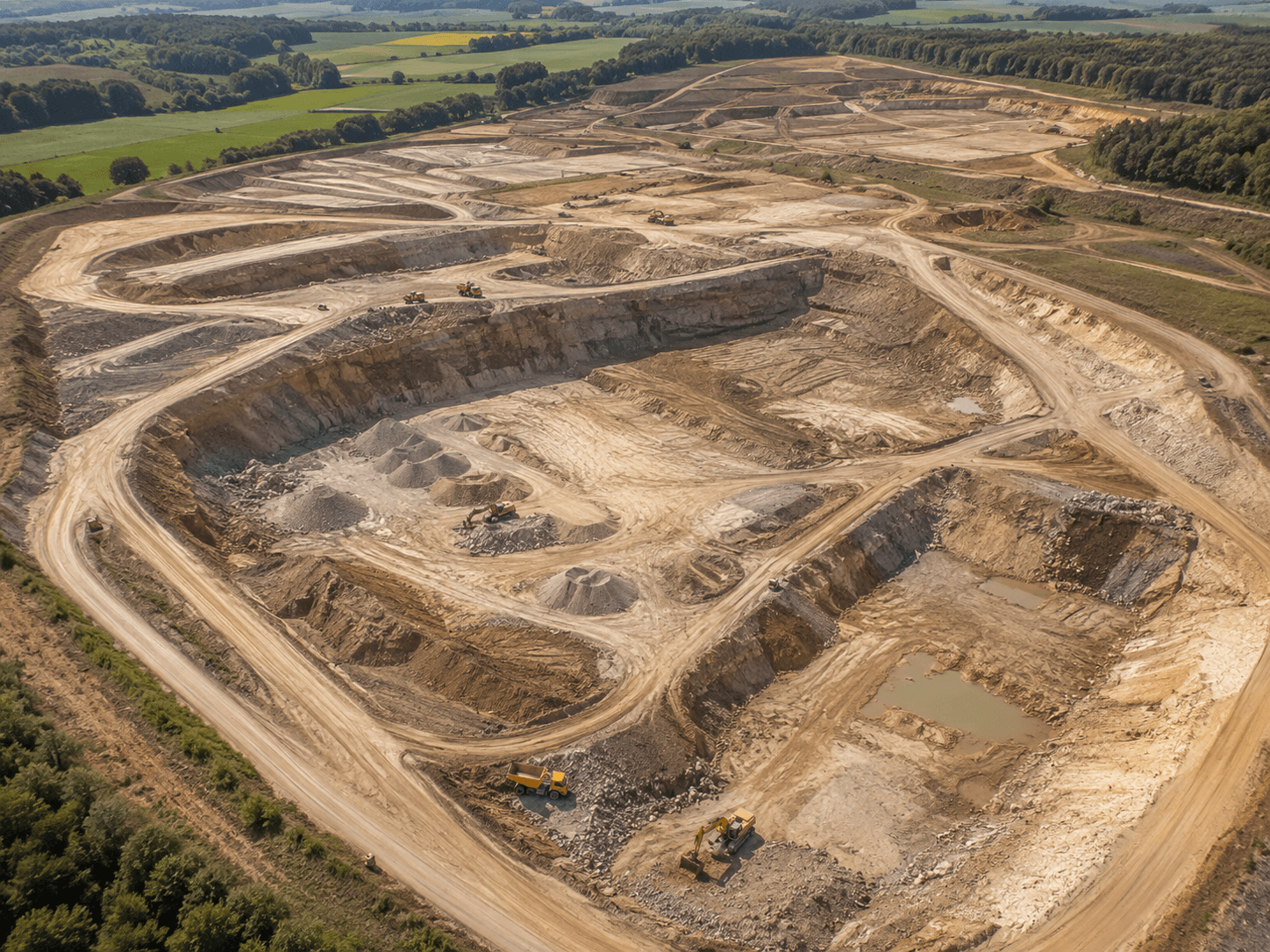
High-accuracy data and 3D mapping for terrain analysis, construction, and planning.

Monitor crop health, optimize yields, and make data-driven decisions.
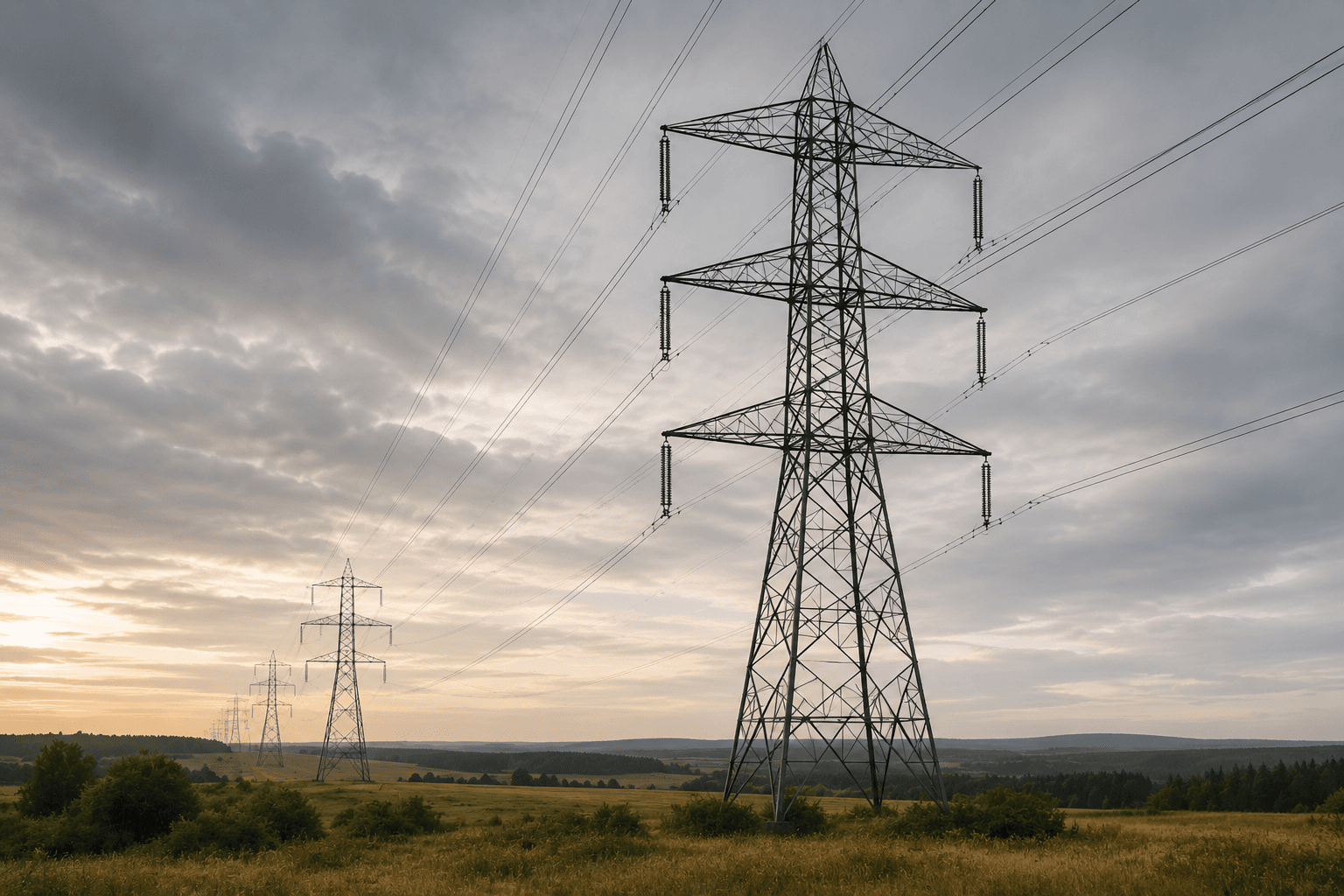
Inspect infrastructure safely and efficiently with advanced visual and thermal payloads.
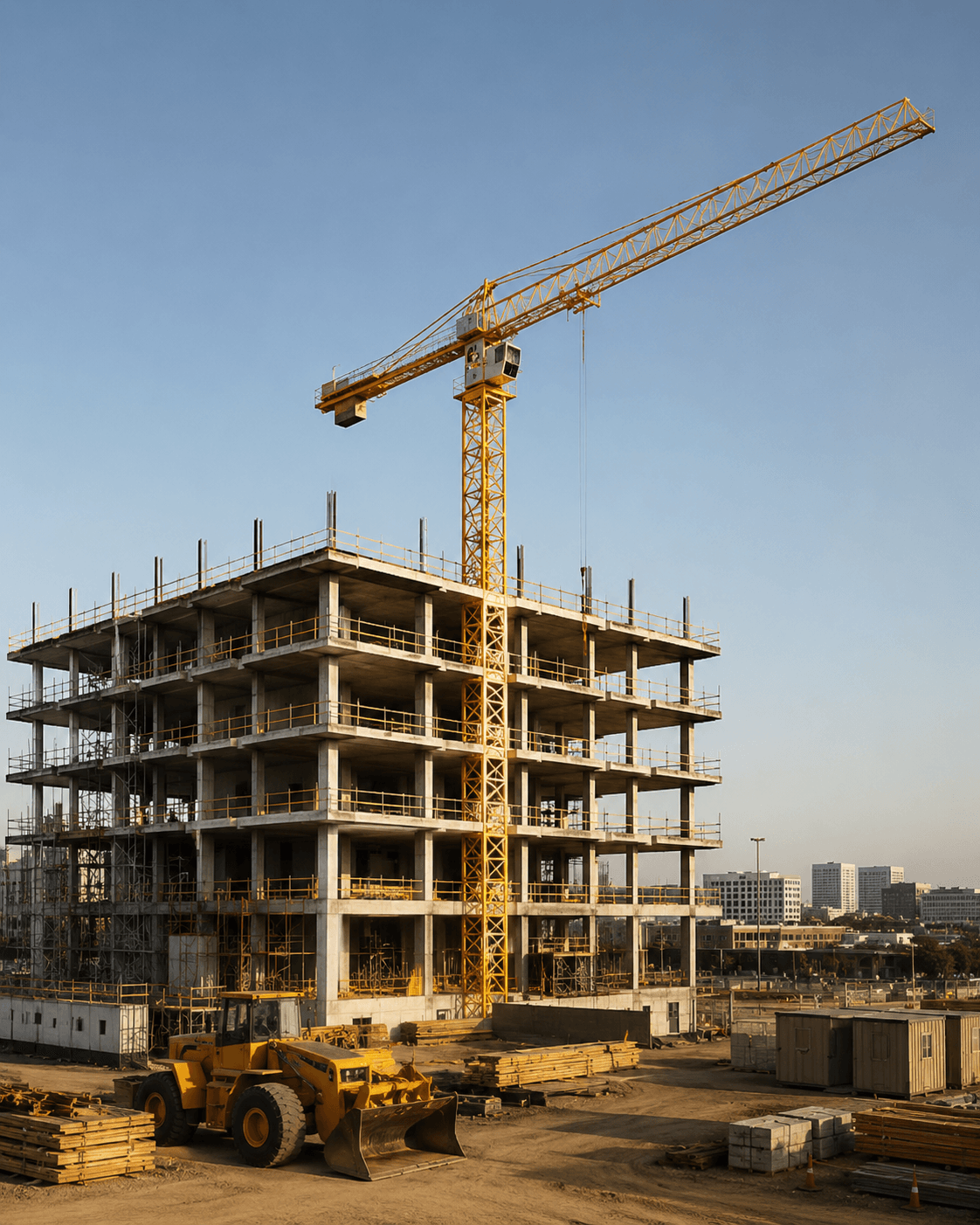
Track progress, create site reports, and improve efficiency across every phase.
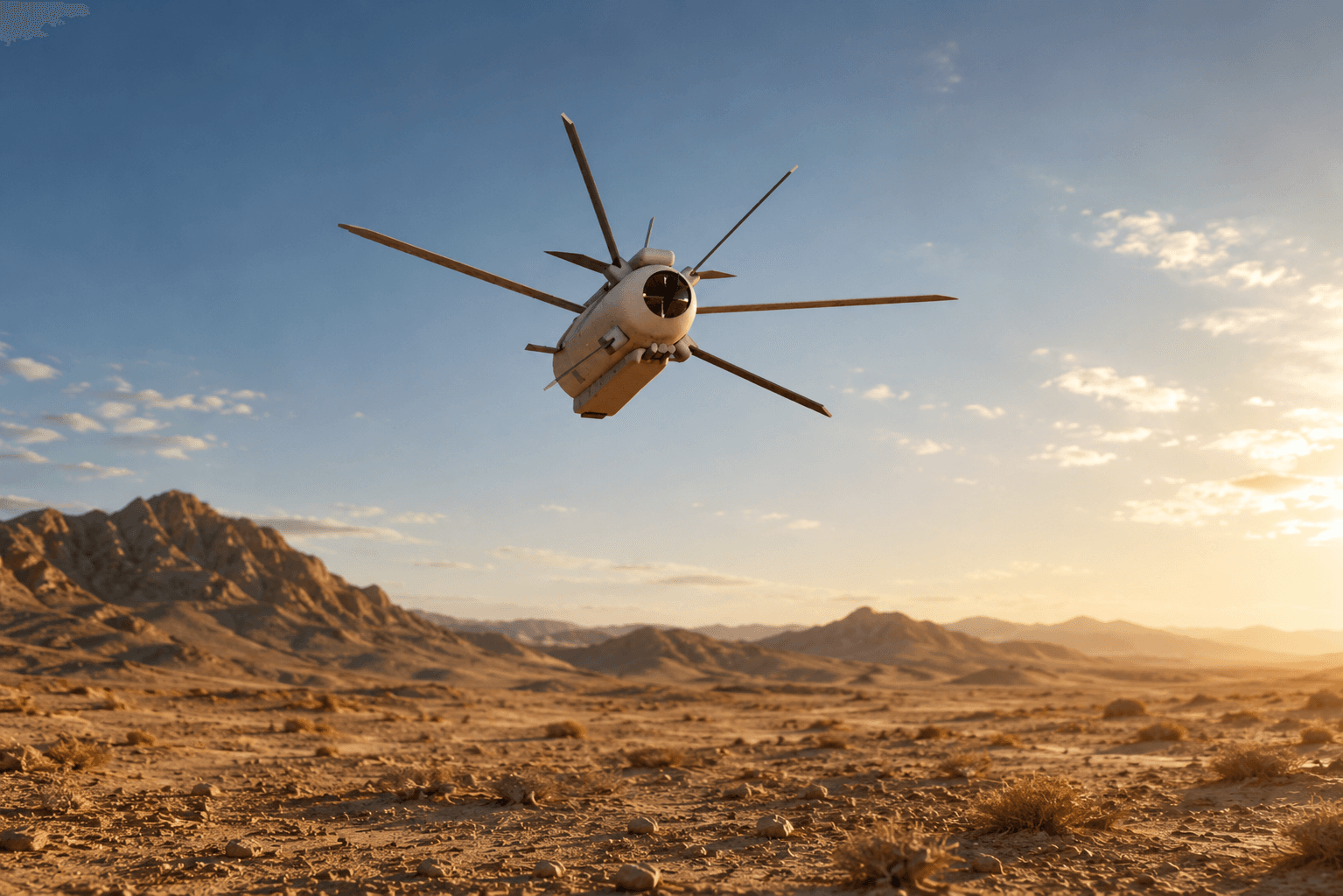
Forward-flight architecture
CA-1 is being developed to rise vertically, transition into wing-borne flight, and travel efficiently beyond the practical range of conventional hovering aircraft.
Flight-control software, thrust vectoring, aerodynamic surfaces, and onboard perception work together through each operating state. Recorded telemetry then informs the next controlled hardware and software revision.
Designed for long-distance operations
Efficient flight architecture
Future ruggedized configurations
Adaptable equipment interfaces
Communications-focused platform

The CA-1 platform
Modular by design, the CA-1 is being developed to support adaptable payloads, field-replaceable components, and rapid experimentation across different operational needs.
Swap. Adapt. Deploy.
Integrate mission equipment.
Designed for rapid setup.
Prototype. Test. Improve.
Scalable manufacturing
One architecture. Multiple scales.
The CA platform family is being designed around modular assemblies, digital manufacturing, common interfaces, and practical replacement parts. Suitable components can be produced quickly, revised without expensive tooling, and replaced without discarding the entire aircraft.
CA aircraft family
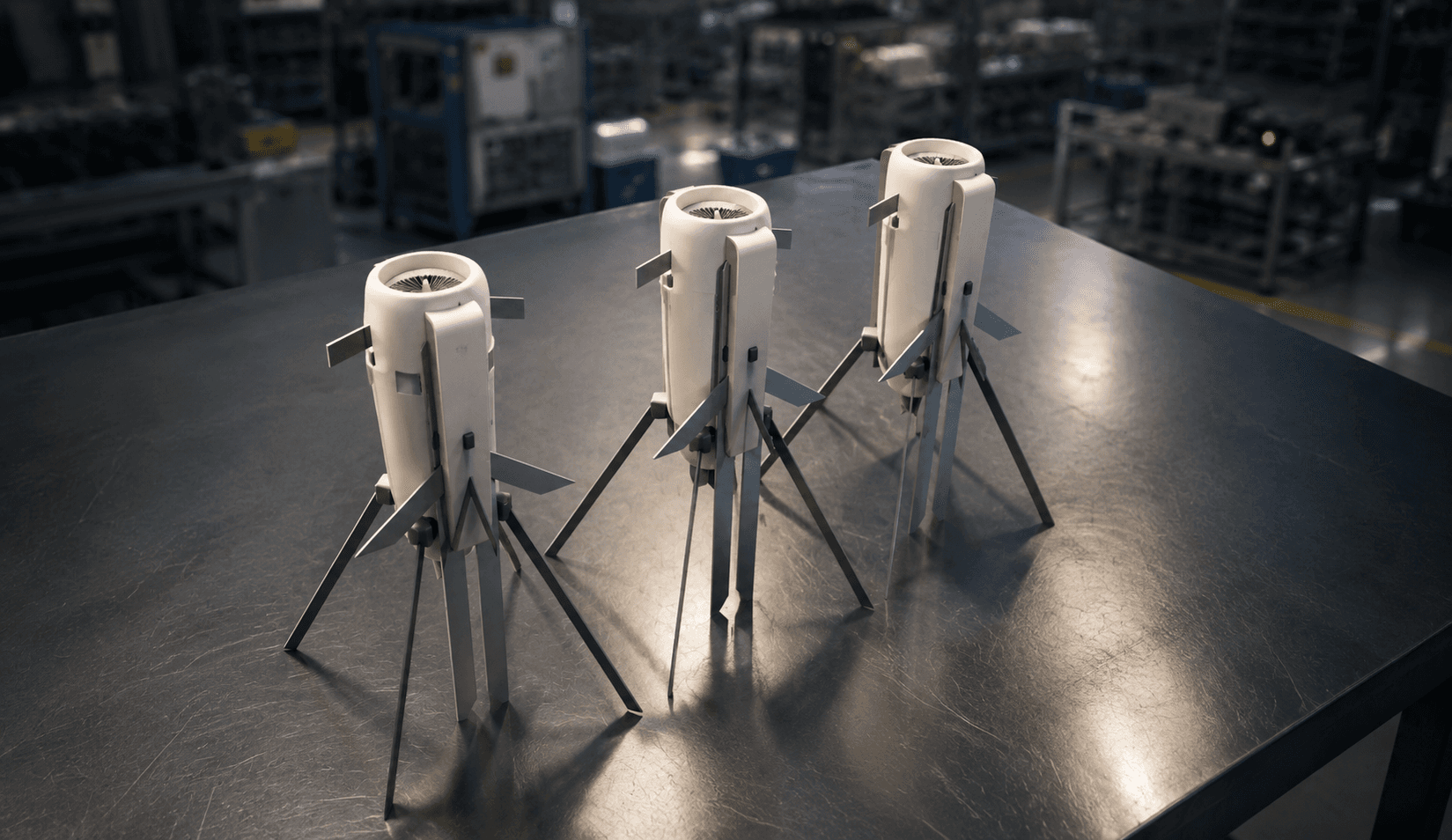
The smallest member of the platform family, intended for lightweight sensing, short-range communications, and rapidly deployable autonomous missions.
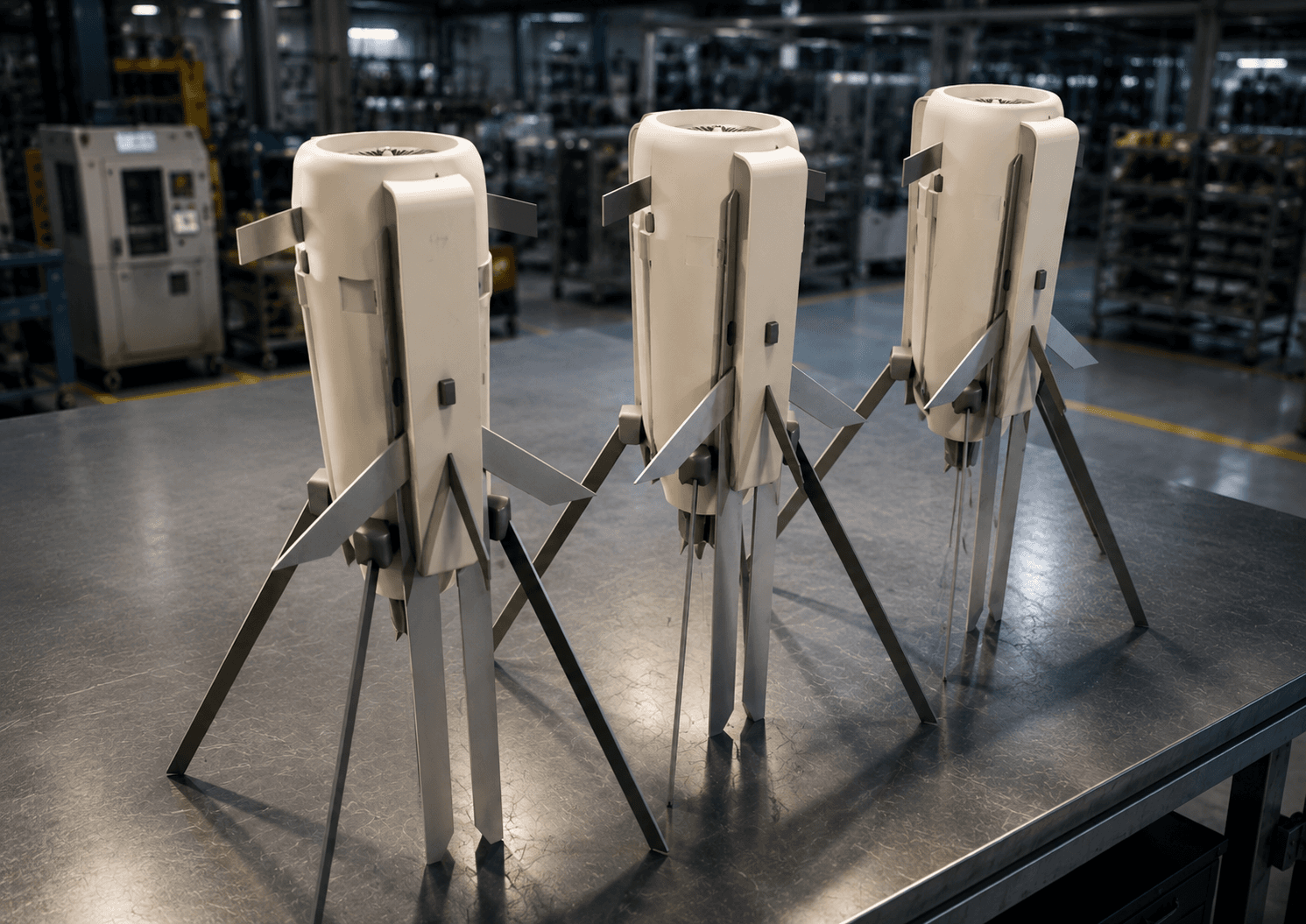
Approximately half the physical scale of CA-1, balancing portability, useful endurance, modular payload capacity, and simplified field support.
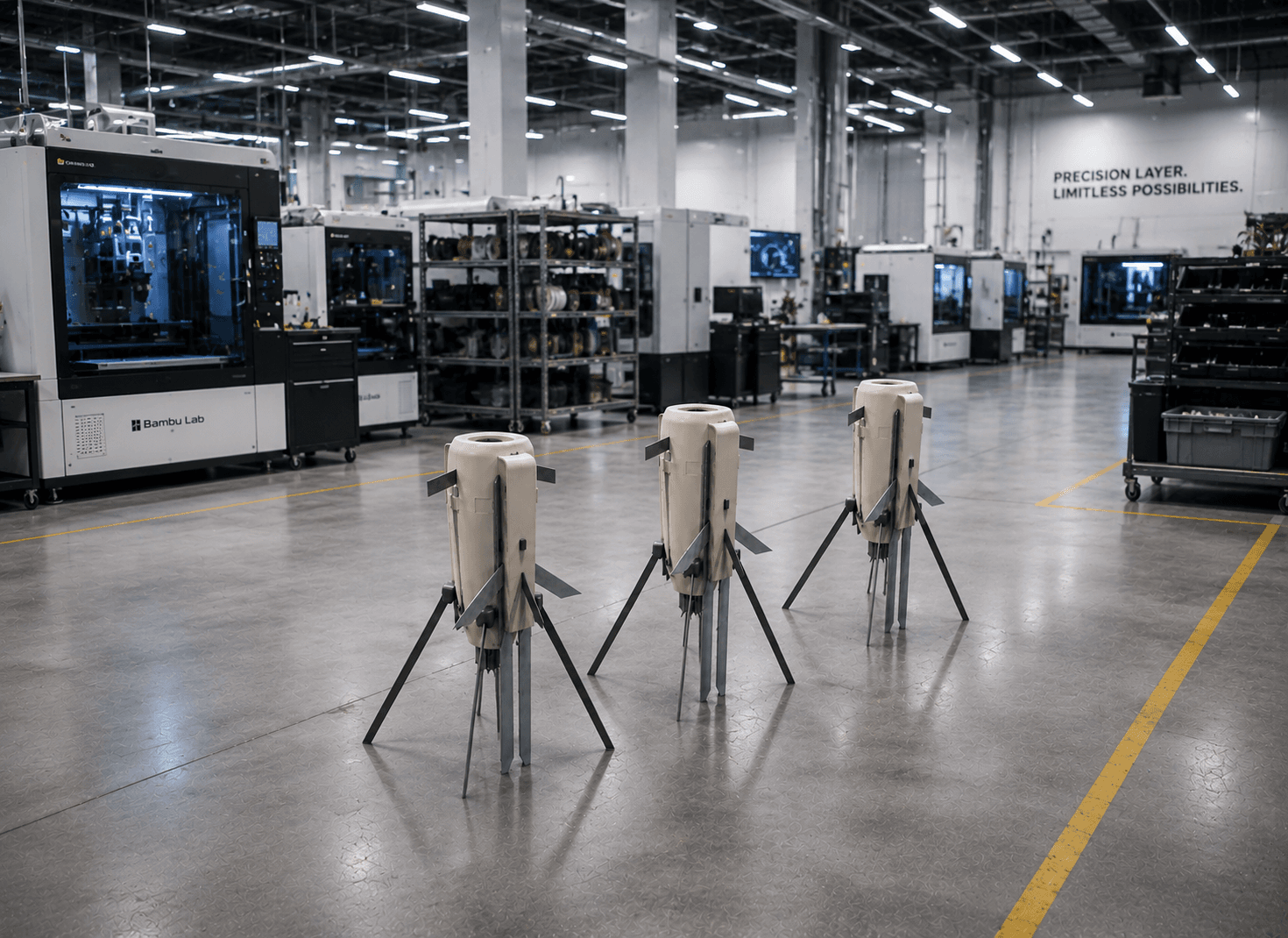
The central aircraft architecture, designed around vertical deployment, efficient forward flight, replaceable assemblies, and configurable mission equipment.
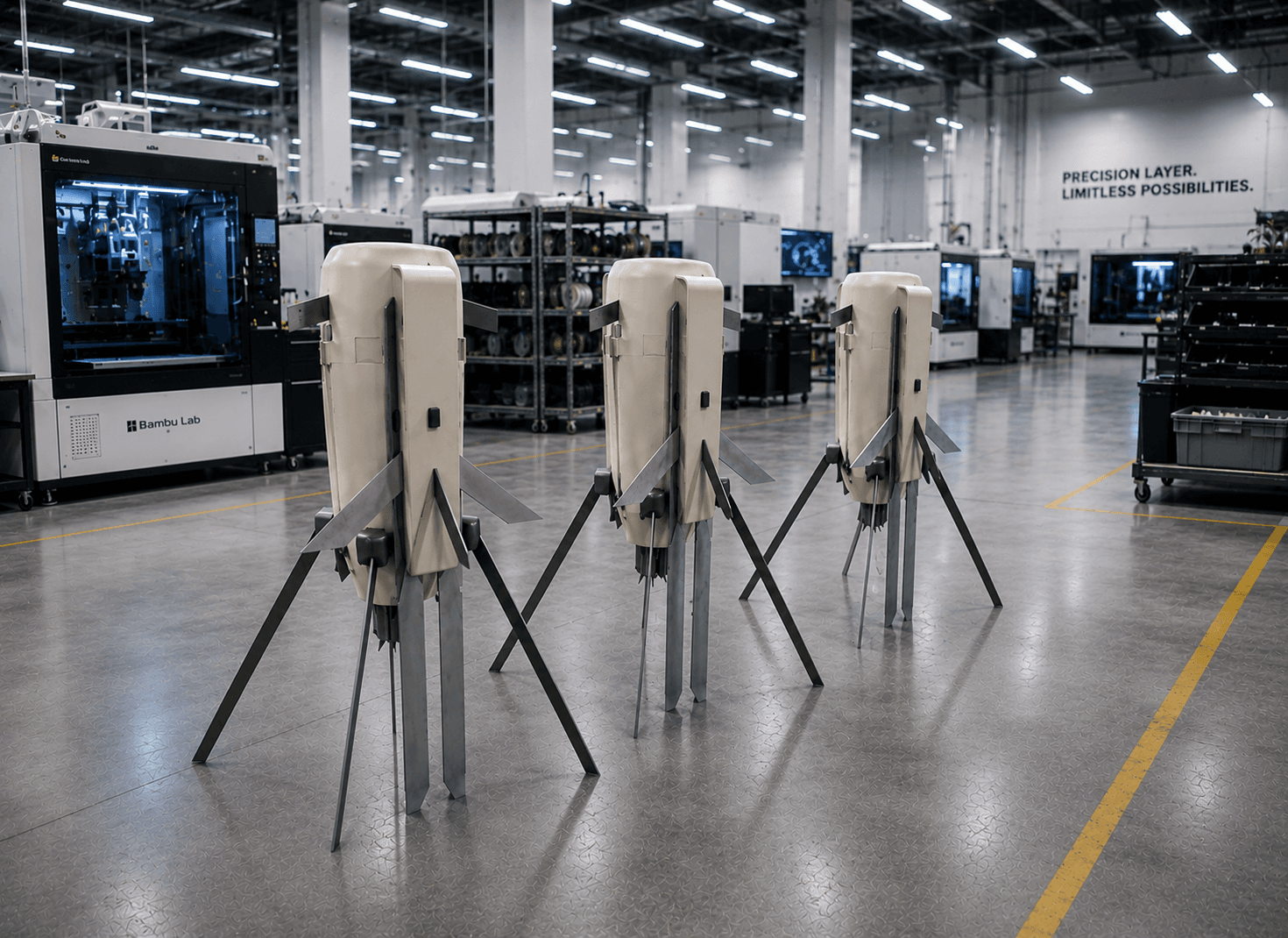
A larger future configuration intended to extend payload volume, energy capacity, endurance, communications equipment, and mission-system flexibility.
Modular production strategy
A digitally controlled component library can make suitable aircraft parts less expensive to reproduce, easier to revise, and simpler to support over the life of the platform.
Ducting, covers, mounts, equipment housings, aerodynamic details, and other noncritical parts can be produced without expensive dedicated tooling.
Damaged or outdated components can be reproduced from controlled digital files instead of replacing an entire aircraft assembly.
Shared design logic allows the platform family to evolve across different aircraft sizes while preserving common interfaces and engineering principles.
A distributed production model could reduce shipping requirements by manufacturing suitable components closer to testing, service, or deployment locations.
CA-Micro, CA-0.5, CA-1, and CA-Macro are concept configurations within an active aircraft-development program. Final dimensions, materials, payload capacity, production methods, and performance remain subject to engineering development and physical validation.
Direct guidance as the platform develops.
Learn the platform, workflows, and systems.
Designed around accessible manufacturing.